
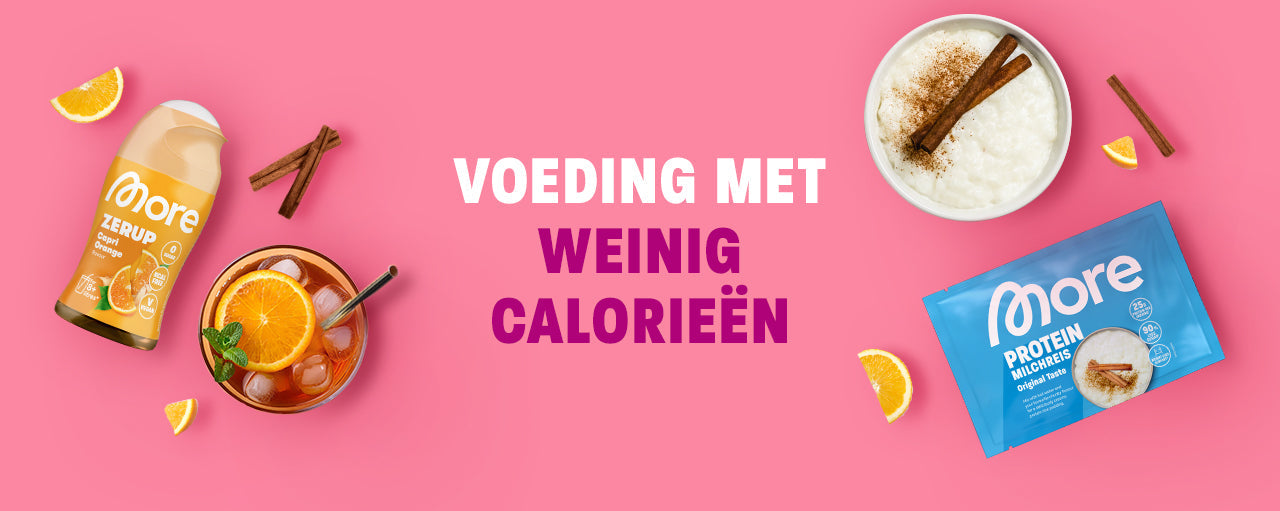
Health and nutrition are at the top of our well-being goals. But how do you ensure you prepare delicious meals for weight loss while saving calories? The secret lies in low-calorie products that are also rich in protein. In this comprehensive blog post, you'll learn everything you need to know about low-calorie products, fiber, and the importance of protein for your diet. You'll also find lists of delicious low-calorie products that you can incorporate into your diet.
Contents:
- When is a food considered low in calories?
- List of low-calorie foods - our top 20 vegetables, fruits, and drinks
- Low-calorie vegetables – our top 8 list
- Low-calorie fruits – our top 8 list
- Low-calorie drinks – our top 4 list
- High-protein, low-calorie foods
- Low-calorie ready meals: Do they exist? And are they recommendable?
- Low-calorie sweets and chocolate
- Are low-calorie foods helpful for weight loss?
- Do low-calorie foods make you feel full?
- Conclusion
- Frequently Asked Questions
When is a food considered low in calories?
Before diving deeper into the world of low-calorie foods, it's important to understand at what point a food is considered "low-calorie." In most cases, the term "low-calorie" refers to foods that contain less than 40 calories per 100 grams. This means they have a lower energy value than other foods.
List of low-calorie foods - our top 20 vegetables, fruits, and drinks
Are you looking for foods with the fewest calories? Here are our top 20 vegetables, fruits, and drinks.
Low-calorie vegetables – our top 8 list
-
Cucumbers: Cucumbers are a refreshing low-calorie vegetable, with only 16 kcal per 100g.
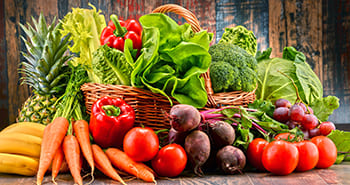
- Cauliflower: This vegetable contains about 25 kcal per 100g and is versatile.
- Zucchini: Zucchini contains about 17 kcal per 100g and is very versatile.
- Spinach: Spinach contains about 23 kcal per 100g and is rich in fiber and vitamins.
- Broccoli: Broccoli contains about 34 kcal per 100g and is a good source of fiber and vitamins.
- Bell peppers: Bell peppers contain about 31 kcal per 100g and are rich in vitamin C.
- Celery: Celery contains about 16 kcal per 100g and is a crunchy and low-calorie vegetable.
- Tomatoes: One tomato contains about 18 kcal and is rich in vitamin C and antioxidants.
Low-calorie fruits – our top 8 list
-
Watermelon: With about 30 kcal per 100g, watermelon is a refreshing, low-calorie option.
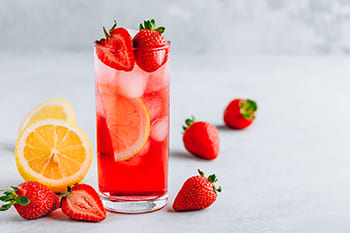
- Strawberries: Strawberries contain about 32 kcal per 100g and are rich in vitamin C.
- Blueberries: These small berries contain about 32 kcal per 100g and are an excellent source of antioxidants.
- Raspberries: Raspberries contain about 52 kcal per 100g and are rich in fiber and vitamin C.
- Apples: A medium apple contains about 52 kcal and is rich in fiber.
- Grapefruit: Half a grapefruit contains about 37 kcal and is a good source of vitamin C and fiber.
- Peaches: One peach contains about 39 calories and is a delicious, low-calorie fruit.
- Kiwi: One kiwi contains about 61 kcal and is rich in vitamin C and fiber.
Low-calorie drinks – our top 4 list
-
Water: Zero calories and essential for the body.
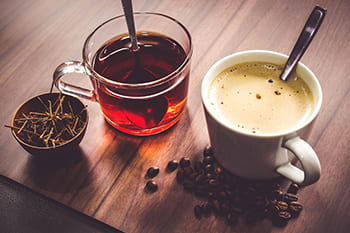
- Tea: A drink with many health benefits and hardly any calories.
- Black coffee: Black coffee without sugar or milk contains few calories and can boost your energy.
- Water with low-calorie syrup: A splash of calorie-free syrup in water adds a refreshing taste. We recommend our sugar-free drink syrup in many incomparably delicious, fruity varieties – sugar-free and with almost no calories. The small squeeze bottles are handy for on-the-go and very economical – so you can easily prepare a delicious and refreshing low-calorie drink anytime, anywhere.
High-protein, low-calorie foods
Now that we have an overview of low-calorie foods, let's focus on foods that are not only low in calories but also high in protein. Proteins are important for the body because they help build muscle and make you feel full longer.
High protein and low calorie - foods with these characteristics are ideal for a balanced diet that promotes muscle building while keeping calorie intake in check. Here is a list of low-calorie foods that are also rich in protein:
1. Skinless chicken breast: Lean poultry is an excellent source of protein.
Calorie and protein content per 100g:
- Calories: about 165 kcal
- Protein: about 31g
2. Turkey fillet: Also lean poultry meat with little fat and a lot of protein.
Calorie and protein content per 100g:
- Calories: about 135 kcal
- Protein: about 30g
3. Lean beef: Lean beef such as tenderloin or sirloin steak contains a lot of protein.
Calorie and protein content per 100g:
- Calories: about 143 kcal
- Protein: about 28g
4. Fish (e.g., cod, halibut, zander): Fish is a protein-rich and low-fat option.
Calorie and protein content per 100g:
- Calories: about 82 kcal
- Protein: about 18g
5. Lean pork (e.g., pork tenderloin): A lean version of pork.
Calorie and protein content per 100g:
- Calories: about 143 kcal
- Protein: about 29g
6. Tofu: A plant-based product with a lot of protein and little fat.
Calorie and protein content per 100g:
- Calories: about 144 kcal
- Protein: about 15g
7. Tempeh: A fermented soy product, rich in protein.
Calorie and protein content per 100g:
- Calories: about 193 kcal
- Protein: about 19g
8. Seitan: A gluten-based protein used in many vegetarian dishes.
Calorie and protein content per 100g:
- Calories: about 370 kcal
- Protein: about 75g
9. Cottage cheese (low-fat): Low-fat cottage cheese contains a lot of protein and few calories.
Calorie and protein content per 100g:
- Calories: about 72 kcal
- Protein: about 12g
10. Greek yogurt (low-fat): An excellent curd with a high protein content.
Calorie and protein content per 100g:
- Calories: about 59 kcal
- Protein: about 10g
11. Skim milk: Contains protein and has a low fat content.
Calorie and protein content per 100g:
- Calories: about 35 kcal
- Protein: about 3g
12. Egg whites: Egg whites are a pure source of protein.
Calorie and protein content per 100g:
- Calories: about 52 kcal
- Protein: about 11g
13. Lentils: Legumes contain a lot of protein and few calories.
Calorie and protein content per 100g:
- Calories: about 116 kcal
- Protein: about 9g
14. Chickpeas: A good source of protein and versatile in the kitchen.
Calorie and protein content per 100g:
- Calories: about 164 kcal
- Protein: about 8g
15. Green vegetables (e.g., spinach, broccoli): These also contain protein and few calories.
Calorie and protein content per 100g:
- Calories: about 20-30 kcal
- Protein: about 2-3g
16. Quinoa: A whole grain product with a high protein content.
Calorie and protein content per 100g:
- Calories: about 120 kcal
- Protein: about 4g
17. Lean ham: Lean ham contains a lot of protein and little fat.
Calorie and protein content per 100g:
- Calories: about 120 kcal
- Protein: about 18g
18. Turkey fillet: A low-fat option for meat lovers.
Calorie and protein content per 100g:
- Calories: about 135 kcal
- Protein: about 29g
19. Lean chicken: Chicken thighs or wings without skin are a good choice.
Calorie and protein content per 100g:
- Calories: about 110 kcal
- Protein: about 24g
20. Shrimp: These seafood contain a lot of protein and few calories.
Calorie and protein content per 100g:
- Calories: about 71 kcal
- Protein: about 17g
These high-protein, low-calorie foods are perfect for a protein-rich, calorie-conscious diet and can support muscle building and keep you feeling full longer. You can also combine the low-calorie foods from our list, such as chicken breast or salmon, with other high-protein foods. For example, try our delicious high-protein noodles with more protein, more fiber, and fewer carbohydrates. [$1] Or how about protein-rich wraps? Then choose our protein wraps with a whopping 8 grams of protein per wrap.
Low-calorie ready meals: Do they exist? And are they recommendable?
Yes, there are low-calorie ready meals on the market that are specifically designed for people who want to reduce their calorie intake or manage their weight. These meals are often available as "diet meals" or "weight loss ready meals." They can be a convenient option if you have little time to cook or are looking for an easy way to control your calorie intake.
The following list shows you factors for evaluating low-calorie ready meals:
- Ingredient list: Read the ingredient list carefully. Well-prepared meals should consist of natural and healthy ingredients, without excessive amounts of artificial preservatives, additives, and refined sugar.
- Calorie content: The calorie content should indeed be lower than that of conventional ready meals. Check the nutrition information to make sure you are actually choosing a low-calorie option.
- Portion size: Pay attention to the portion size. Ready meals are sometimes packaged in small portions, which can lead you to eat more than one serving and thus consume more calories than you intended.
- Nutritional value: Make sure the ready meal still contains enough nutrients, such as protein, fiber, vitamins, and minerals. A balanced nutritional value is important to ensure you get all the necessary nutrients.
- Taste and texture: The taste and texture should appeal to you. If the prepared food doesn't taste good or you don't like it, you probably won't eat it regularly, which is not good for your diet.
- Personal preferences: Consider your own preferences and eating habits. Some people prefer to prepare their meals themselves, while others appreciate the convenience of ready meals.
- Long-term eating habits: Remember that low-calorie ready meals may not be the solution for a healthy diet in the long term. It is advisable to learn healthy cooking techniques and prepare meals yourself to maintain control over your diet.
Overall, low-calorie ready meals can be a helpful addition to your diet, as long as they contain high-quality ingredients and a balanced nutritional value. However, they should not be your primary source of nutrition. A balanced and varied diet with fresh, unprocessed products is always the best choice for your long-term health and well-being.
Low-calorie sweets and chocolate
If you're looking for sweet and chocolatey treats with few calories and where you can reduce the amount of sugar, there are a few options you can consider. These snacks can satisfy your sweet tooth without containing too many calories:
- Dark chocolate: Dark chocolate with a high cocoa content (70% or more) contains less sugar and generally fewer calories than milk chocolate. Dark chocolate is considered the chocolate with the fewest calories, and a piece or two can already provide a delicious chocolate experience.
- Chocolate-covered rice cakes: Rice cakes with a thin layer of dark chocolate are crispy and sweet but contain fewer calories than heavy chocolate bars.
- Greek yogurt with honey and cinnamon: Greek yogurt is rich in protein and has a natural sweetness. A spoonful of honey and a pinch of cinnamon add extra flavor.
- Fruit sorbet: Fruit sorbet is low in fat and contains fewer calories than ice cream. There is a choice of various fruit flavors.
- Strawberries with whipped cream: Fresh strawberries with a touch of whipped cream can be a delicious dessert that does not contain too many calories.
- Chia seed pudding: Chia pudding can be made with skim milk or milk substitute and is a healthier alternative to traditional pudding.
- Energy balls: Homemade energy balls made from oatmeal, nuts, and dried fruit can be sweet and nutritious. Make sure to limit the amount of added sugar.
- Dried fruit: Dried fruit such as apricots, prunes, and raisins can be sweet and satisfying, as long as you enjoy them in moderation. This is because they contain concentrated fruit sugars.
- Mini Muffins: Homemade mini muffins with skim milk and less sugar are a chocolatey option that limits the number of calories.
- Chocolate protein bars: Some protein bars have a chocolatey taste and contain less sugar and calories than regular sweets.
In a world where healthy eating is becoming increasingly important, reducing sugar is one of the most effective ways to save calories while supporting good health. Excessive sugar consumption can lead to various health problems, including obesity, diabetes, and cardiovascular disease. Products without added sugar are an excellent option for reducing sugar consumption and still enjoying delicious sweet snacks.
Are low-calorie foods helpful for weight loss?
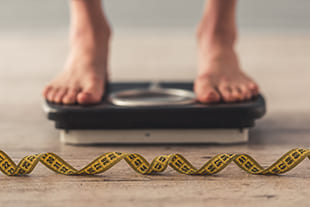
Yes, low-calorie foods can be a helpful addition to a healthy diet if you want to lose weight in a healthy way. The basic idea of weight loss is to burn more calories than you consume through food, which leads to a calorie deficit. Low-calorie foods allow you to eat larger portions without consuming too many calories and can thus help you achieve a calorie deficit.
Here are some reasons why low-calorie products can be helpful for weight loss:
- Healthy satiety: Many low-calorie foods contain a lot of fiber, which provides a long-lasting feeling of fullness. This means you feel full longer and are less likely to snack.
- Healthy nutrients: Many low-calorie foods, especially fruits and vegetables, are rich in important nutrients such as vitamins, minerals, and antioxidants. This means you get the nutrients you need without consuming many calories.
- Control your calorie intake: With low-calorie foods, you can add more volume to your meals. This can help to reduce your hunger while keeping an eye on your calorie intake.
- Health benefits: Eating low-calorie foods, especially fruits and vegetables, is associated with a lower risk of heart disease, type 2 diabetes, and obesity.
However, it is important to remember that a balanced diet is still the key to successful weight loss. Low-calorie foods should be part of a balanced diet with sufficient protein, healthy fats, and carbohydrates.
It is also advisable to include regular exercise in your daily routine to support weight loss. If in doubt, consult a nutritionist or doctor to develop a tailored nutrition strategy that promotes your health and well-being.
But be careful! Calories should not be the only criterion when choosing food. A balanced diet with all important nutrients, including proteins, fiber, and vitamins, is crucial for your health.
Do low-calorie foods make you feel full?
Low-calorie foods can create a feeling of fullness, especially if they contain a lot of fiber and water. Fiber and water are two important factors that contribute to satiety. Here's how it works:
- Fiber: Fiber is the indigestible component of food that swells in the stomach and creates a feeling of fullness. Fiber-rich foods can keep you feeling full longer because they fill the stomach without providing many calories. Examples of fiber-rich foods include vegetables, legumes, whole grains, and fruits.
- Water: Foods with a high water content, such as fruits and vegetables, also contribute to feeling full. The water in these foods increases the volume of food you eat and signals to your brain that you have eaten enough.
- Proteins: Protein-rich foods, such as lean meat, fish, legumes, and dairy products, can also have a filling effect. Proteins stimulate the production of satiety hormones in the body and can help to reduce hunger.
It is important to know that the combination of foods in a meal can also contribute to a feeling of fullness. A balanced meal with proteins, fiber, and healthy fats can make you feel full and prevent cravings.
However, it's not just about the amount of calories, but also about the quality of the food. Foods with empty calories, rich in sugar and unhealthy fats, may contain many calories, but do not necessarily make you feel full and can lead you to eat more than you actually need.
In general, low-calorie foods can be filling if they contain a lot of fiber, water, and/or protein. A balanced diet with these elements can increase your feeling of satiety and help you manage your weight.
Conclusion
Low-calorie foods are a great way to reduce your calorie intake without sacrificing the pleasure of eating. The foods mentioned above are often rich in fiber and important nutrients, making them a healthy choice. Combining low-calorie foods with high-protein options is especially effective if you are trying to lose weight. They help you feel full and energized while working towards your health goals. Remember that a balanced diet is always essential for a healthy lifestyle.
FAQ
[[FAQ-]]
[ITEM-]
[Q-]What can you eat with few calories? [-Q]
[A-]There are many foods with few calories, including vegetables, fruits, lean meats, fish, legumes, and low-fat dairy products.[-A]
[-ITEM]
[ITEM-]
[Q-]Which bread contains the fewest calories?[-Q]
[A-]Whole-wheat bread generally contains fewer calories than white bread and more fiber.[-A]
[-ITEM]
[ITEM-]
[Q-]Which foods are low in calories and carbohydrates?[-Q]
[A-]Vegetables such as broccoli, spinach, and cauliflower are low in calories and carbohydrates.[-A]
[-ITEM]
[[-FAQ]]
Sources:
[[QUELLEN-]]When cooked, they contain an average of 55% fewer carbohydrates, 2 times more protein, and 4 times more fiber than traditional durum wheat semolina pasta.
Contains only naturally occurring sugars.[[-QUELLEN]]